Introduction
For most fresh graduates, the first job interview is both exciting and intimidating. After years of academic life, stepping into the professional world feels like entering an entirely new environment. Many students perform well academically but feel nervous when facing interview panels because they lack practical exposure.
The truth is, interview success is less about talent and more about preparation. Employers understand that fresh graduates may not have extensive work experience, but they look for qualities such as confidence, clarity, willingness to learn, and professional attitude.
A well-prepared candidate not only answers questions effectively but also leaves a strong positive impression. This essay presents a practical, step-by-step guide to help fresh graduates prepare for their first job interview in a structured manner similar to competitive exam writing, while maintaining a realistic and human perspective.
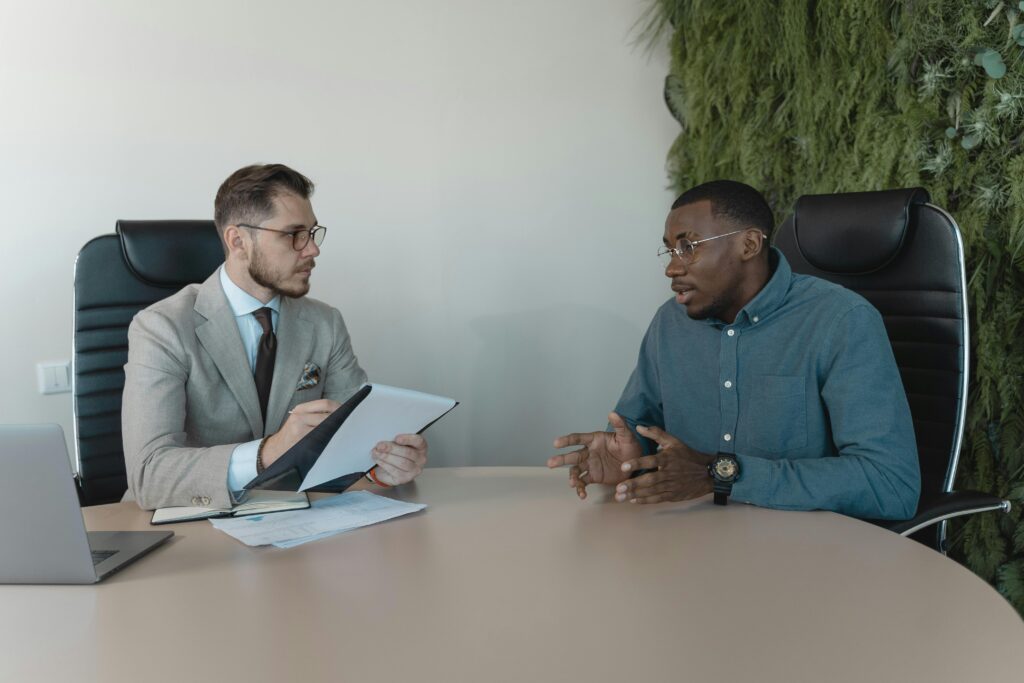
1. Understand the Company and Job Role
One of the most common mistakes fresh graduates make is attending interviews without knowing much about the company.
Interviewers expect candidates to show interest in the organization. When you know about the company, your answers naturally become more relevant.
What should you research?
- Company background and industry
- Products or services offered
- Recent achievements or news
- Company culture and work environment
- Job responsibilities mentioned in the job description
Understanding the role also helps you connect your skills with what the company needs.
Tip: Visit the company website and LinkedIn page before attending the interview.
2. Prepare a Clear and Honest Resume
Your resume is often the first impression employers have of you. For fresh graduates, it may feel difficult to build a strong resume without work experience, but academic projects, internships, and activities matter.
Key points for fresh graduates
- Mention academic achievements and certifications
- Highlight internships or training programs
- Include college projects and responsibilities
- Mention leadership roles, volunteering, or extracurricular participation
- Keep the resume short and clear (preferably one page)
Avoid copying resume formats blindly. Keep it simple and truthful because interview questions usually come from what you have written.
3. Identify Your Strengths and Skills
Fresh graduates often underestimate their abilities because they compare themselves with experienced professionals. However, companies hiring freshers mainly look for potential and adaptability.
Important skills employers value
- Communication skills
- Teamwork ability
- Problem-solving attitude
- Basic technical knowledge
- Time management
- Learning mindset
Think about your college experiences—group projects, presentations, competitions—and identify what skills you developed there.

4. Practice Common Interview Questions
Though every interview is different, certain questions appear frequently.
Common questions include
- Tell me about yourself
- Why do you want to join our company?
- What are your strengths and weaknesses?
- Where do you see yourself in five years?
- Why should we hire you?
- Tell us about a challenge you faced
Do not memorize answers word for word. Instead, prepare key points so your answers sound natural.
A helpful technique is the STAR method:
- Situation
- Task
- Action
- Result
This helps you explain experiences clearly.
5. Improve Communication and Body Language
Interview performance is not only about what you say but also how you say it.
Many candidates lose confidence due to nervous body language.
Positive body language tips
- Maintain eye contact with interviewers
- Sit straight and avoid slouching
- Smile politely
- Avoid excessive hand movement
- Listen carefully before answering
Communication tips
- Speak clearly and calmly
- Avoid filler words like “um” or “actually”
- Keep answers concise and relevant
Practicing mock interviews with friends or mentors helps improve both communication and confidence.
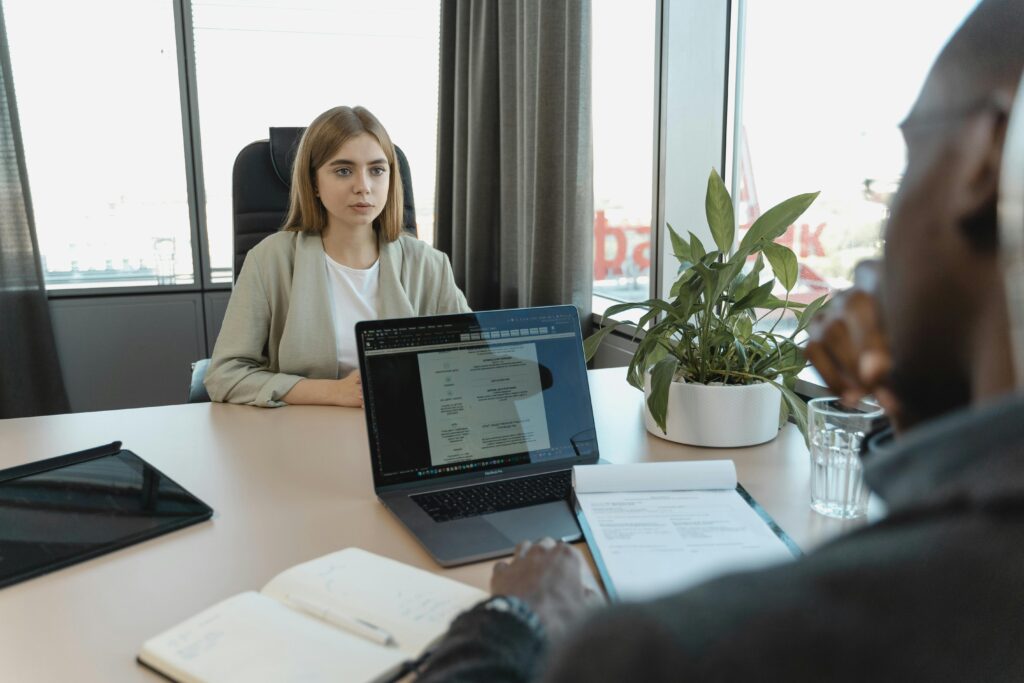
6. Dress Professionally
First impressions matter greatly in interviews. Dressing professionally shows seriousness and respect for the opportunity.
Basic dressing guidelines
- Wear clean, formal clothes
- Choose simple, neutral colors
- Keep grooming neat and simple
- Avoid heavy accessories or strong perfume
Even in virtual interviews, dressing formally boosts confidence and creates a professional impression.
7. Prepare Documents and Plan Logistics
Sometimes candidates perform poorly simply because of poor planning.
Documents checklist
- Resume copies
- Academic certificates
- Internship certificates
- ID proof
- Portfolio or project work if required
Logistics preparation
- Confirm interview time and location
- Plan travel to avoid delays
- Reach 10–15 minutes early
- For online interviews, check internet, camera, and microphone beforehand
Being punctual shows professionalism.
8. Practice Through Mock Interviews
Confidence comes from practice. Mock interviews help simulate real interview situations.
Benefits of mock interviews
- Reduces nervousness
- Improves answer clarity
- Identifies weak areas
- Enhances confidence
Recording yourself answering questions can help you notice mistakes and improve gradually.

9. Prepare Questions for the Interviewer
Interviews are not only for employers to judge candidates; candidates should also understand the company.
When interviewers ask, “Do you have any questions?”, avoid saying no.
Good questions to ask
- What growth opportunities are available in this role?
- How does the company support employee learning?
- What does a typical working day look like?
Avoid asking about salary or holidays unless the interviewer discusses them.
10. Manage Interview Anxiety
Feeling nervous before interviews is normal. Even experienced professionals feel anxious sometimes.
Ways to reduce anxiety
- Prepare thoroughly
- Practice answers beforehand
- Sleep well before the interview
- Reach early to settle down
- Take deep breaths before entering the interview room
Remember, interviewers want you to succeed; they are not there to scare you.
11. Show a Positive and Professional Attitude
Many companies hire candidates based on attitude rather than experience.
Qualities interviewers appreciate
- Willingness to learn
- Positive outlook
- Team spirit
- Responsibility
- Respectful communication
Fresh graduates should show enthusiasm and readiness to grow.
12. Follow Up After the Interview
Sending a polite thank-you email after the interview can leave a positive impression.
Why follow-up matters
- Shows professionalism
- Expresses gratitude
- Reinforces interest in the job
However, avoid repeatedly contacting the company.
Common Mistakes Fresh Graduates Should Avoid
- Arriving late or unprepared
- Not knowing about the company
- Speaking negatively about college or previous experiences
- Giving dishonest answers
- Showing overconfidence or lack of interest
- Poor body language
Avoiding these mistakes can significantly improve interview success.
Importance of Continuous Self-Improvement
Interview preparation should not stop after one attempt. Each interview is a learning experience.
Graduates should continuously work on:
- Communication skills
- Technical knowledge
- Industry awareness
- Professional behavior
Hey all. c555gameonline is not the worst way you can spend a few hours. They have some alright games. Visit c555gameonline and see if you can find anything that you like.
Dlrbet caught my eye because of their promotions. They seem to have some solid deals going on, so I figured I’d give it a try. Might be worth checking out if you’re looking to get a little extra bang for your buck: dlrbet
Heard some buzz about ff88gay. Gonna give it a browse and see what the fuss is all about. Fingers crossed for some good times! Check it out for yourself: ff88gay.