Introduction
A resume is often the first impression a recruiter has of a job applicant. For freshers, who usually have limited work experience, a resume becomes even more important because it represents their education, skills, potential, and professionalism. However, many fresh graduates make common mistakes while preparing their resumes, which can reduce their chances of getting shortlisted for interviews. Understanding these mistakes and avoiding them can help freshers create a strong and effective resume.
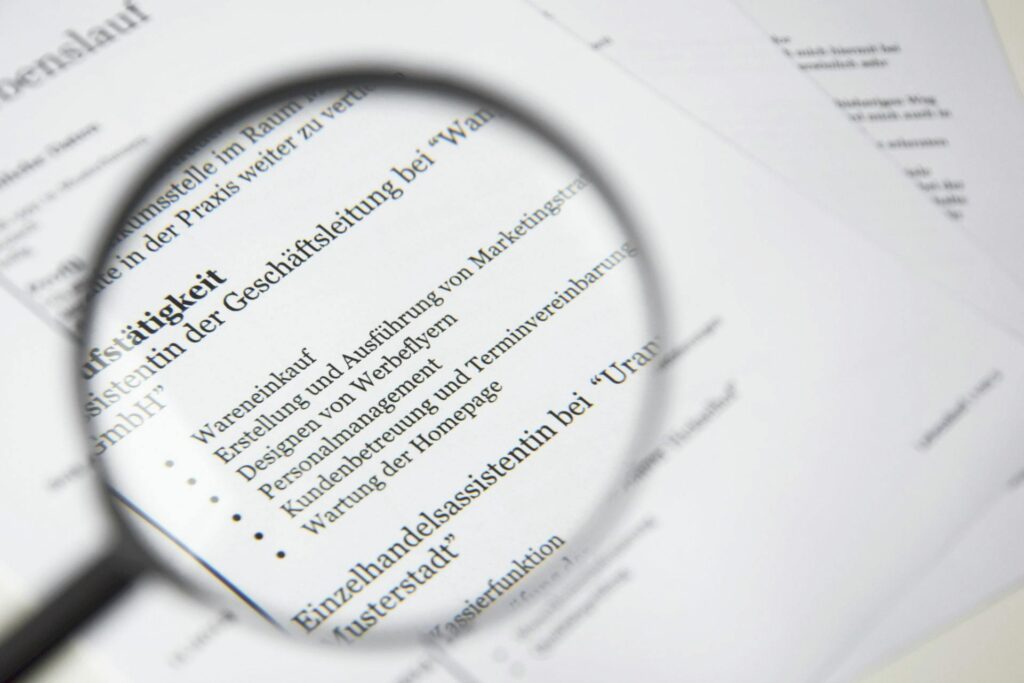
Resume Length Issues
One of the most common mistakes freshers make is creating a resume that is too long. Since they usually do not have much professional experience, some candidates try to fill space with unnecessary details. A fresher’s resume should be one page long. Recruiters often receive hundreds of resumes and spend only a few seconds reviewing each one. A long resume with unnecessary information can make recruiters lose interest quickly. Instead, freshers should focus on presenting relevant and concise information.
Including Irrelevant Personal Information
Another major mistake is including irrelevant personal information. Many freshers add details such as religion, caste, marital status, parents’ occupation, or even passport numbers. These details are usually not required unless specifically asked for. Including too much personal information makes the resume look unprofessional and outdated. A resume should generally include only essential personal details such as name, phone number, email address, and LinkedIn profile if available.
Unprofessional Email Address
Using an unprofessional email address is another common problem. Many students create email IDs in their school or college days using nicknames or funny phrases. Using such email IDs on a resume gives a negative impression. For example, addresses like coolboy123 or princessqueen@gmail.com do not look professional. Freshers should create a simple email ID using their name, such as firstname.lastname@gmail.com, to maintain professionalism.
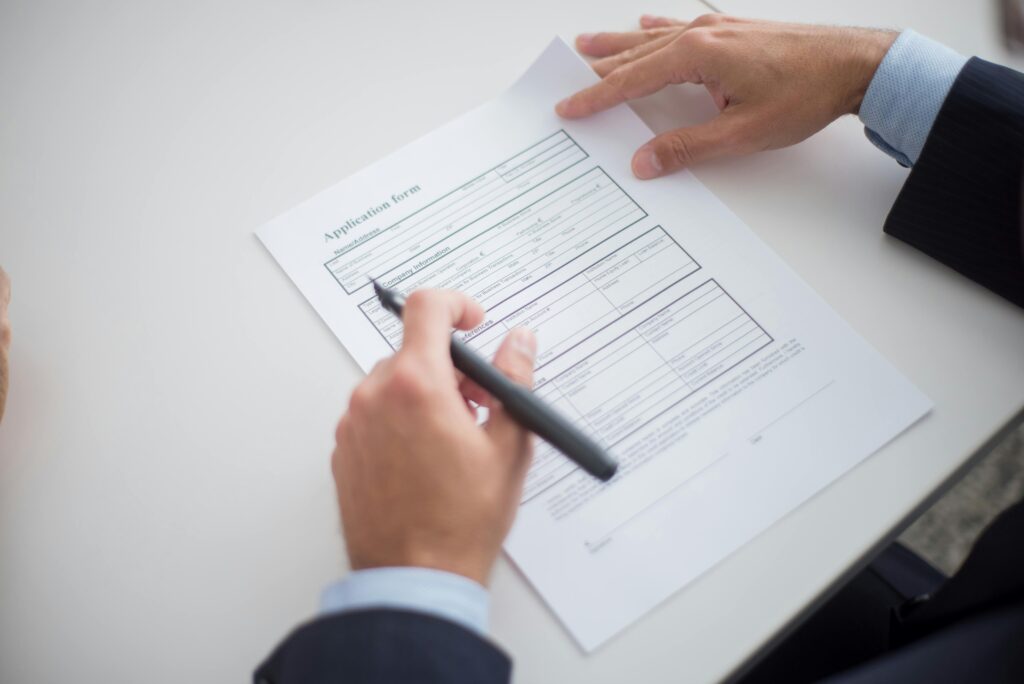
Poor Formatting and Layout
Poor formatting and layout also weaken many resumes. Some freshers use multiple fonts, bright colors, or inconsistent spacing to make their resumes look attractive. However, this often makes the resume look messy and difficult to read. A resume should be clean, simple, and easy to scan. Consistent font style, proper spacing, bullet points, and clear section headings make the document more readable and professional.
Spelling and Grammar Mistakes
Spelling and grammar mistakes are also common errors. Even small spelling mistakes or grammatical errors can create a bad impression, as they show lack of attention to detail. Recruiters may assume that the candidate is careless. Freshers should carefully proofread their resumes or ask someone else to review them before sending. Using grammar-check tools can also help reduce mistakes.
Generic Career Objective
Many freshers make the mistake of writing a generic career objective that does not match the job role. Objectives like “To work in a challenging environment where I can grow and contribute to the organization” are too common and vague. Recruiters see this line in many resumes, making it ineffective. Instead, freshers should customize their objective according to the job position and highlight specific interests or skills related to the role.
Exaggerating or Lying About Skills
Another frequent mistake is exaggerating or lying about skills and achievements. Some candidates mention skills they do not actually possess, thinking it will improve their chances of getting selected. However, interviewers often test candidates based on what they mention in their resumes. If a candidate cannot demonstrate a claimed skill, it damages credibility. It is always better to be honest and mention only genuine skills.
Poor Explanation of Projects and Internships
Freshers also sometimes fail to highlight their academic projects and internships properly. Since they may not have work experience, academic projects, internships, workshops, and training programs become important. However, many candidates simply list them without explaining what they learned or achieved. Recruiters prefer to see specific contributions, skills learned, and outcomes of projects rather than just project titles.
Listing Too Many Skills Without Proof
Another mistake is listing too many skills without proof or clarity. Some resumes include long lists of skills like leadership, communication, teamwork, problem-solving, and time management without giving examples. Simply listing skills does not convince recruiters. Instead, freshers should try to demonstrate these skills through experiences such as group projects, event management, internships, or volunteer work.
Unnecessary Hobbies and Interests
Including unnecessary hobbies and interests is another issue. Writing hobbies like “watching TV,” “listening to music,” or “surfing the internet” does not add value to a resume. Instead, hobbies that show creativity, leadership, or dedication—such as sports, blogging, volunteering, or participating in competitions—can create a positive impression.
Not Customizing the Resume
Another common error is not customizing the resume for each job application. Many freshers use the same resume for every company and role. However, different jobs require different skills and focus areas. A resume tailored to match the job description increases the chances of getting shortlisted. Adjusting keywords and highlighting relevant skills and experiences can make a resume more effective.
Ignoring Keywords and ATS
Freshers often ignore the importance of keywords in resumes. Many companies use Applicant Tracking Systems (ATS) to filter resumes before human recruiters review them. If the resume does not include keywords related to the job role, it may not pass through the system. Therefore, freshers should include relevant industry keywords mentioned in job descriptions.
Lack of Measurable Achievements
Another mistake is not including measurable achievements. Instead of writing general statements like “participated in college fest,” candidates should mention achievements such as “coordinated a college fest with 500+ participants” or “managed a team of 10 volunteers.” Numbers and results make achievements more impressive and credible.
Including Outdated Information
Some freshers also include outdated or irrelevant information from school days, such as high school achievements or minor competitions that no longer add value. A resume should focus mainly on recent education, projects, internships, and relevant accomplishments.
Poor Organization of Information
Poor organization of information is another problem. Sometimes resumes lack proper sections or mix details randomly, making them difficult to read. A resume should follow a clear structure, including sections like contact information, career objective, education, internships or projects, skills, certifications, and achievements.
Adding References Unnecessarily
Another mistake is adding references unnecessarily. Many freshers write “References available on request,” but this is not required unless the employer asks for it. The resume space should be used to highlight skills and experiences instead.
Ignoring Internships and Volunteer Experience
Some candidates also neglect to include internships, part-time jobs, or volunteer experiences, thinking they are not important. However, these experiences demonstrate responsibility, teamwork, and real-world exposure, which are valuable qualities for employers.

Using Complicated or Copied Language
Using complicated language or copying content from online resume templates is also a common issue. Sometimes freshers copy ready-made sentences that do not truly reflect their abilities. A resume should be simple, clear, and written in one’s own words. Recruiters appreciate authenticity and clarity.
Not Updating the Resume
Another mistake is not updating the resume regularly. Some freshers prepare a resume once and continue using it without adding new skills, certifications, or achievements. A resume should be updated whenever new experiences or skills are gained.
Missing LinkedIn Profile
Lastly, many freshers forget to include a professional LinkedIn profile or online portfolio when relevant. In today’s digital world, recruiters often check online profiles. A well-maintained LinkedIn profile can strengthen a candidate’s application.
Conclusion
In conclusion, creating a good resume is an essential step for freshers entering the job market. Common mistakes such as including irrelevant information, poor formatting, spelling errors, exaggerating skills, and not customizing resumes can reduce job opportunities. A resume should be clear, concise, professional, and tailored to the job role. By avoiding these mistakes and presenting their strengths honestly and effectively, freshers can significantly improve their chances of getting interviews and starting their professional careers successfully.
Alright, downloaded kinggameapp! Hoping for some fun and games, and maybe a little bit of good fortune. I mean, who doesn’t love winning? Grab kinggameapp and let’s play!
WinHQCasino is where the wins are at! I’ve had some good luck there recently. Selection of games is top-notch and the payouts were surprisingly fast. Feeling lucky? Try your luck winhqcasino!
5MBBet is a solid platform for sports betting. Found several sports I liked to bet on. The layout and odds seemed fair. Recommended if you’re looking for something new! Bet on it now 5mbbet!